
Welcome to a space where global health, nutrition and equity come together with purpose!
I explore how food systems, brain health, and noncommunicable diseases shape lives around the world and how more just, resilient, and culturally grounded approaches to health can emerge when we centre the people most affected.
This platform brings together evidence and frontline advocacy to make complex issues accessible and actionable. It highlights the forces shaping health, from nutrition security, food sovereignty, and gut health to mental wellbeing, ageing, and the rising burden of NCDs, and how food insecurity, health disparities, and structural inequities shape these outcomes.
Grounded in equity and informed by policy perspectives, I aim to elevate overlooked voices and challenge narratives that leave communities behind, hoping to contribute to a healthier, more connected world where informed choices and systemic change lead to lasting impact.


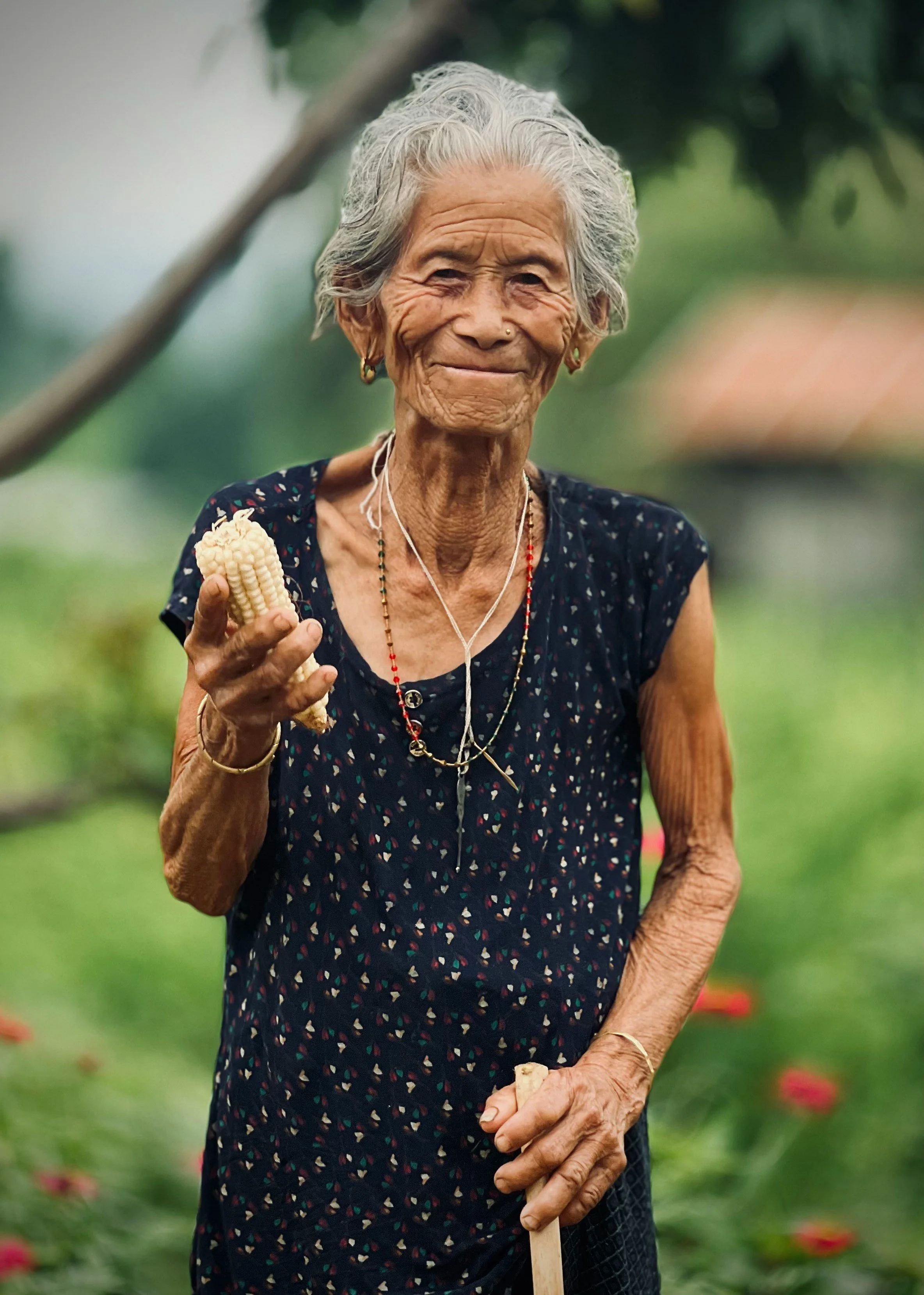




Around the world, communities nurture brain health through food, movement, connection, and cultural practices that support mental clarity, emotional balance, and cognitive resilience. When people have access to nourishing environments, physically, socially, and culturally, the brain can adapt, grow, and thrive across the life course. These elements remind us that brain health is not only biological but deeply shaped by the strengths of our communities and the systems that support them.
Global Brain Health


Neuroplasticity
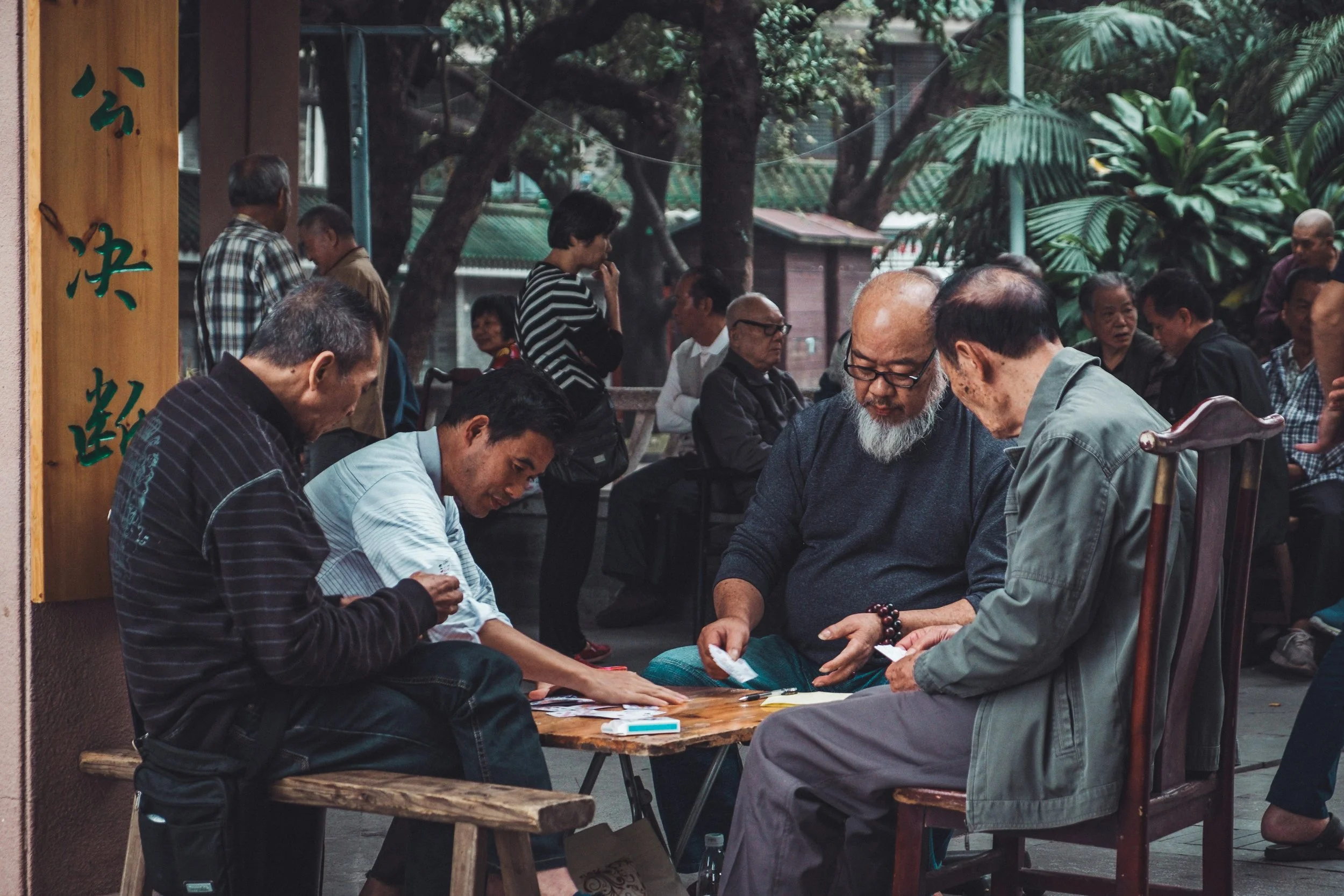
Across cultures, learning, creativity, and meaningful engagement strengthen the brain’s ability to form new connections. Whether through education, storytelling, music, language, or movement, communities foster environments where people can grow at every age. Supporting neuroplasticity globally means expanding opportunities for learning and ensuring everyone has access to the resources that help the brain flourish and strengthen cognitive resilience across generations.
Aka ‘the body's natural painkillers’! These neurotransmitters, released during exercise, laughter, and social connections contribute to reduced stress, improved mood, and enhanced cognitive function. Around the world, community dance, collective play, and cultural rituals serve as powerful endorphin‑boosting activities. Creating environments where people can move freely, gather safely, and experience joy is essential for reducing stress and supporting cognitive wellbeing at a population level.
Endorphins
Unity
A sense of belonging is a protective factor for brain health across cultures. Around the world, community gatherings, intergenerational care, and collective rituals create belonging and emotional safety. In many settings, migration, conflict, and social inequities disrupt these networks. Strengthening community infrastructure and social cohesion is a key global health strategy for protecting cognitive function and mental wellbeing across generations.

Relaxation
Relaxation practices such as deep breathing, meditation, prayer, time in nature, or traditional healing rituals help regulate stress and support cognitive function. However, the ability to access safe, calm environments is shaped by socioeconomic and environmental conditions. Urban design, green space availability, work conditions, and exposure to chronic stressors all influence whether people can engage in restorative practices. Promoting environments that reduce stress is essential for equitable brain health.

Oxygen plays a role in maintaining brain health and function, including memory formation, concentration, and decision-making. Engaging in activities that increase oxygen flow to the brain like regular aerobic exercise and deep breathing exercises, can potentially enhance cognitive performance and protect against age-related cognitive decline. Around the world, communities use walking, outdoor gatherings, and nature‑based practices to support wellbeing. Investing in clean air, safe outdoor spaces, and active environments benefits entire populations.
Oxygen
The Good Gut Series
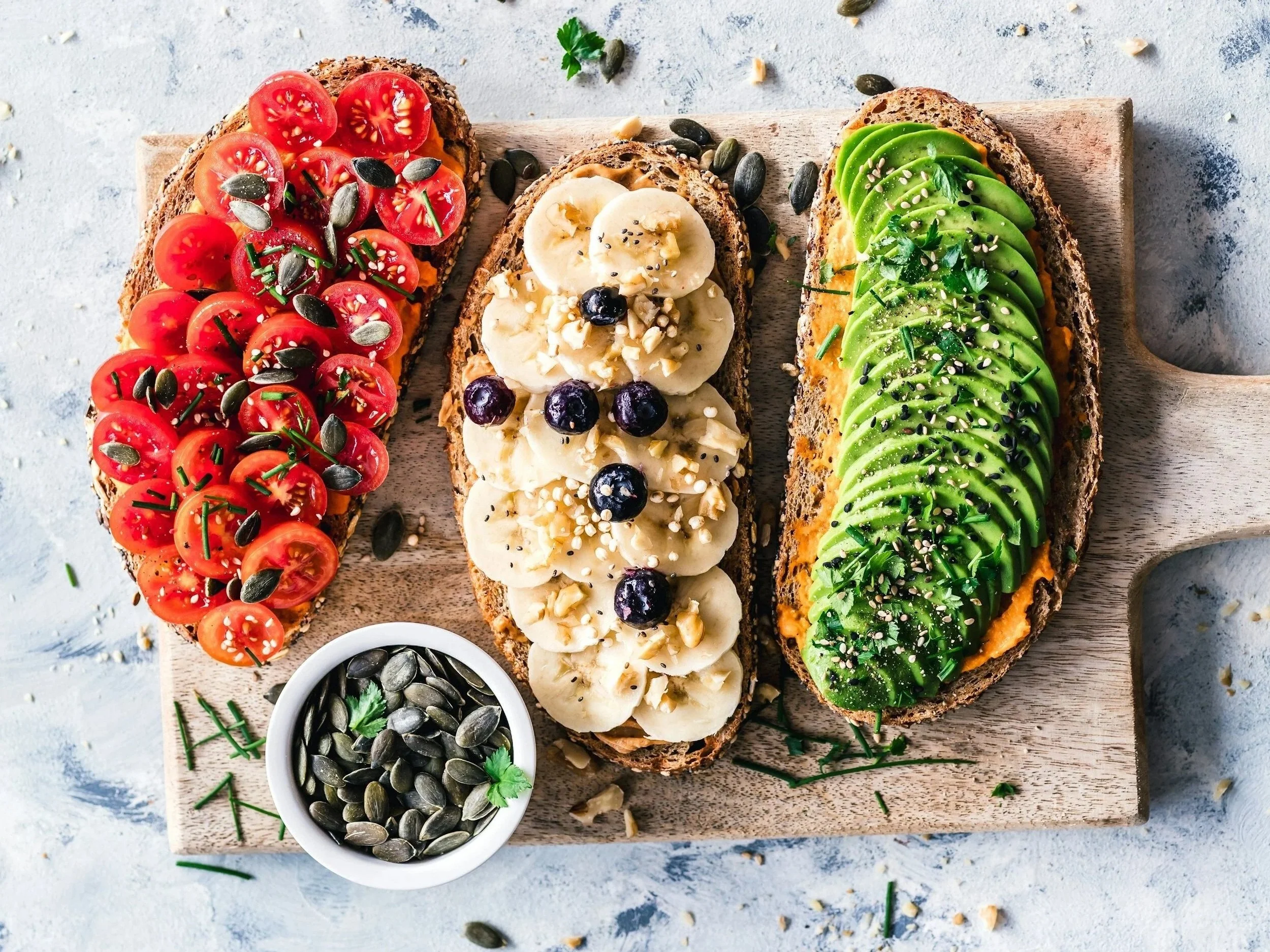
A bite-sized series exploring the fascinating world of your gut microbiome, which each article breaking down the science behind gut health and exploring how everyday lifestyle choices like sleep, stress, exercise, and diet can nourish your inner ecosystem.
Feeding the Brain: The Impact
of Nutrition on Cognitive Health

Explore how a well-balanced diet, key nutrients, and gut-friendly ingredients can significantly enhance mood, cognitive function, and emotional resilience
Global Trends, Local Impact: Africa’s
Rising Burden of Obesity and Disease

Exploring the alarming rise of obesity and non-communicable diseases in Africa compared to global trends, driven by urbanisation and changing lifestyles